
|
|
|
|
|
|
Information
Switchmode Power Supply
Switchmode Technology
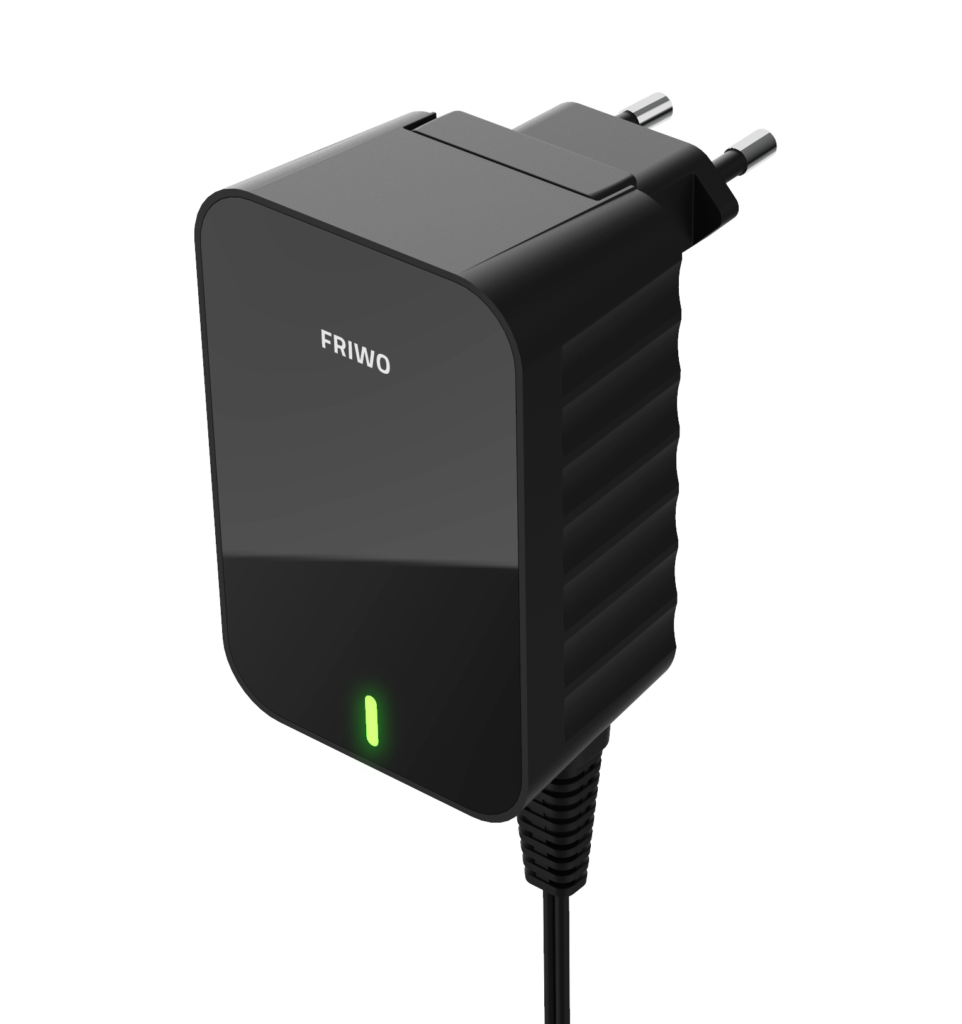
Switchmode power supply units are particularly suited for feeding portable devices. Their low weight and extremely compact form mean they can be just as advantageously combined with all other types of applications.
An additional increase in attractiveness results from the wide-range input so that the power supply units can be operated all over the world using mains voltages from 100 to 240 V AC and 50 to 60 Hz. This makes worldwide use possible and means a drastic reduction in the logistics expenses on the part of our customers.
Such solutions can either be realised as desktop units with worldwide standardised IEC sockets (our DT series) or as plug-in power supply units with exchangeable mains plug adapters (our MPP series).
First, here is some important technical information:
Primary Switched Power Supply Units
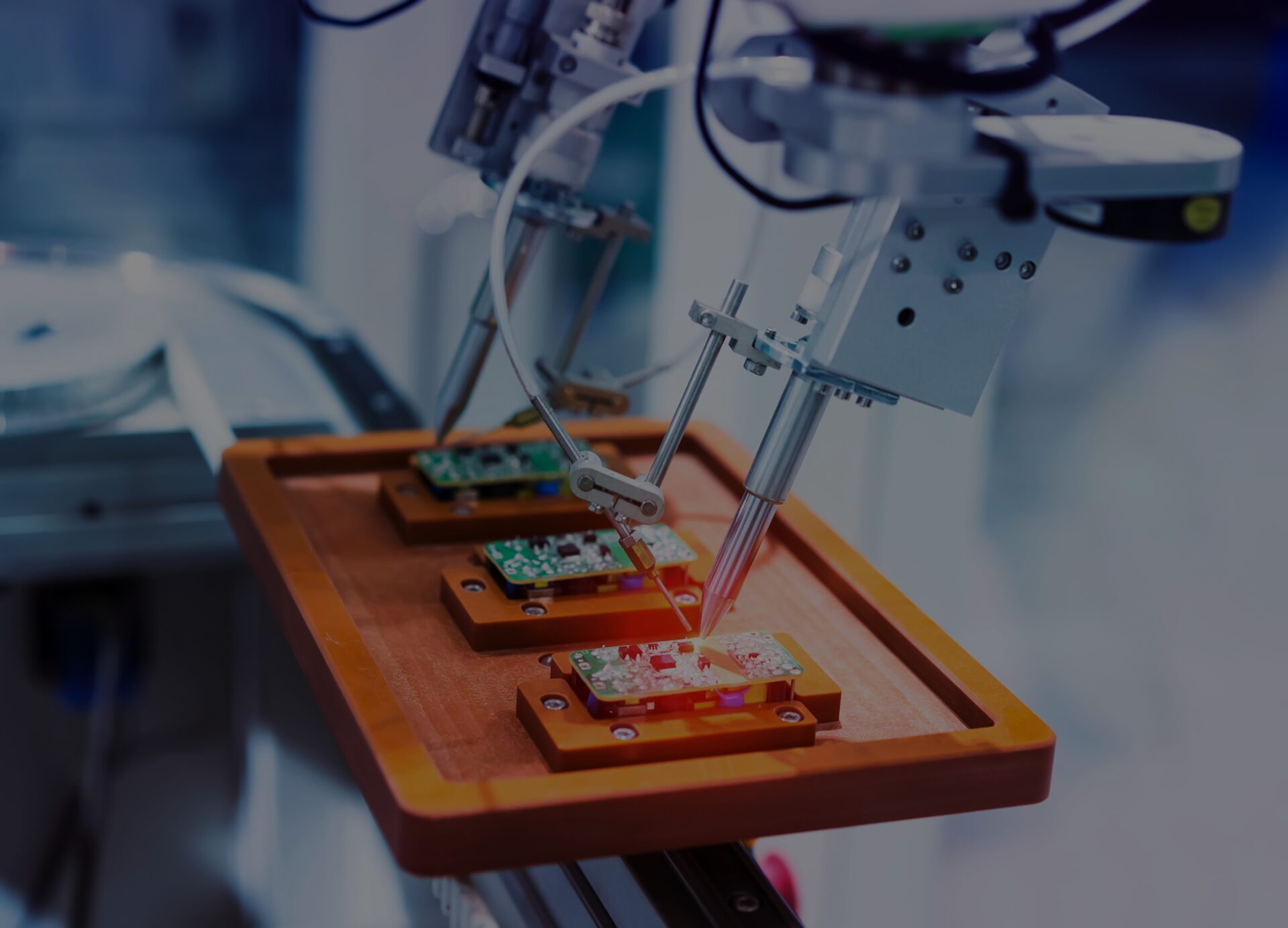
In such a power supply unit, the mains voltage is first rectified and smoothed. After that, it is switched at high frequencies and transferred via a converter transformer. The required low voltage is then generated within another rectification and smoothing step. A high-precision direct voltage with very low tolerances can be provided by means of an additional stabilisation circuit.
Beyond these advantages of the compact design and wide-range input, the high efficiency is of decisive importance: at an achievable 90 percent, the losses due to emission of heat are minimized. The requirements for very low stand-by power consumption (stand-by power) can only be met using this technology.
FRIWO offers an extensive range of standard devices with excellent features. At a corresponding volume, further variants for all kinds of special requirements can be developed. In the process, the application considerably determines the design:
- In addition to output current and voltage, requirements regarding control stabilisation and ripple of the output voltage, EMC behaviour, efficiency, etc. influence the power supply unit design.
- Specific requirements regarding size and shape have an effect on the component expense and thus the costs of the unit.
- Various circuit topologies can be used according to the requirements.
- Designs as plug-in power supply units, desktop devices, or even as modules (= open frame) for all special applications can also be realised.
Safety Regulations, Protection Classes, and Connection Types
Power supply units can be found in a number of applications. For this reason, the specific safety regulations of the devices being powered, depending on the regulation of the testing authorities of the respective countries, such as the UL (Underwriter Laboratories), VDE (Association of German Electrical Engineers), etc., must be particularly observed.
The EMC conformity according to EN 61000-6-X, under consideration of system perturbations according to EN 61000-3-2 should be observed for power supply units independent of the switching concept.
When selecting the housing, the ambient conditions, for example in moist environments, must be considered. For general applications, the type of protection according to EN 60529-IP20 (Operation in Dry Rooms – Protection Against the Penetration of Solid Foreign Body) suffices. According to application, power supply units are designed in accordance with the respective applicable regulations. Due to the safe galvanic separation, all devices fulfil the low-voltage guideline and provide a safety extra-low voltage (SELV).
OEM Switchmode Chargers
Single Range Power Supplies (SP)
For many years, FRIWO has made the development and production of environmentally friendly products for customers in the following branches into a strategic objective:
- Information and communication technology
- Medical technology
- Automation technology
- Measuring, controlling, and regulating technology
With the growing demands of environmental authorities for the high efficiency of power supply units, the linear device technology no longer meets these requirements.
In the United States, the Environmental Protection Agency (EPA) started a certification programme for particularly energy-efficient products in 1992: ENERGY STAR.
Today, the ENERGY STAR programme comprises almost all electronic devices.
The requirements on external power supplies include ambitious efficiency targets. In the process, not just the maximum output is taken into consideration nowadays. Since many terminal devices are often operated at partial load, greater energy savings are expected when the average is formed from 25%, 50%, 75%, and 100% of the load and output-dependent limit values are defined.
In California, the CEC (California Energy Commission) declared the ENERGY STAR requirements to be binding from 1 January 2007, and the other states in the United States will follow suit.
In Europe, the Code of Conduct of the European Communities has introduced a voluntary self-obligation of manufacturers to the limitation of equipment power loss; power supplies with a power output of up to 50W may not exceed a power loss without load of 0.3W from 1 January 2007.
Furthermore, within the scope of the EuP (energy-using products) directive, the entire life cycle of the product is taken into consideration and the resources for design, production, distribution, up to reuse are included. According to experts, the directive will become binding in 2008 and assume the ENERGY STAR limit values.
For the global suppliers of power supplies, it is thus essential that they fulfil the strictest limit values.
Today, FRIWO already has the necessary competency for its product portfolio to realise power supplies with high efficiency and lower standby losses and thus to replace the linear power supply programme.
Average Efficiency and Standby Losses
Chargers
Charge Technology
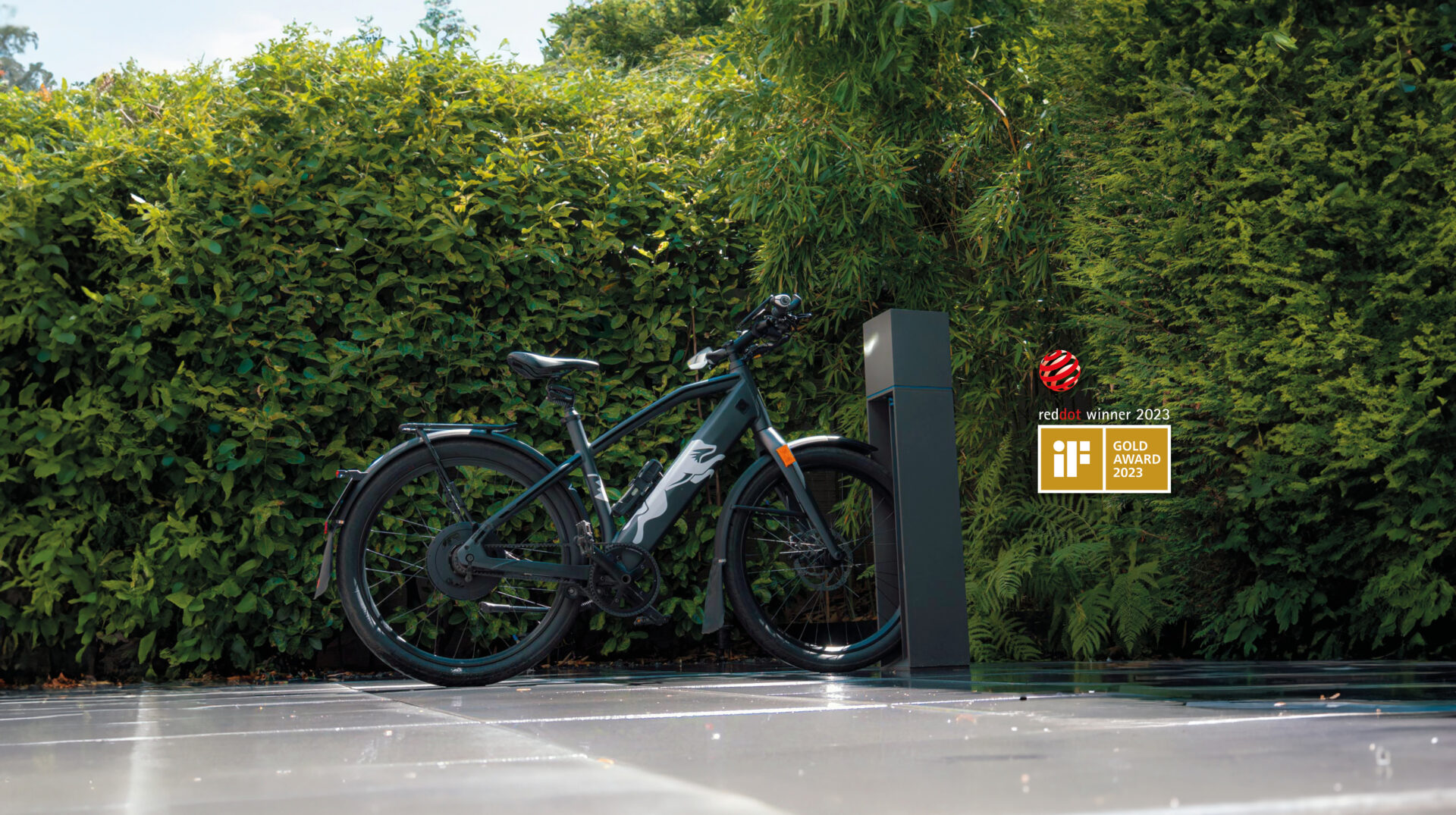
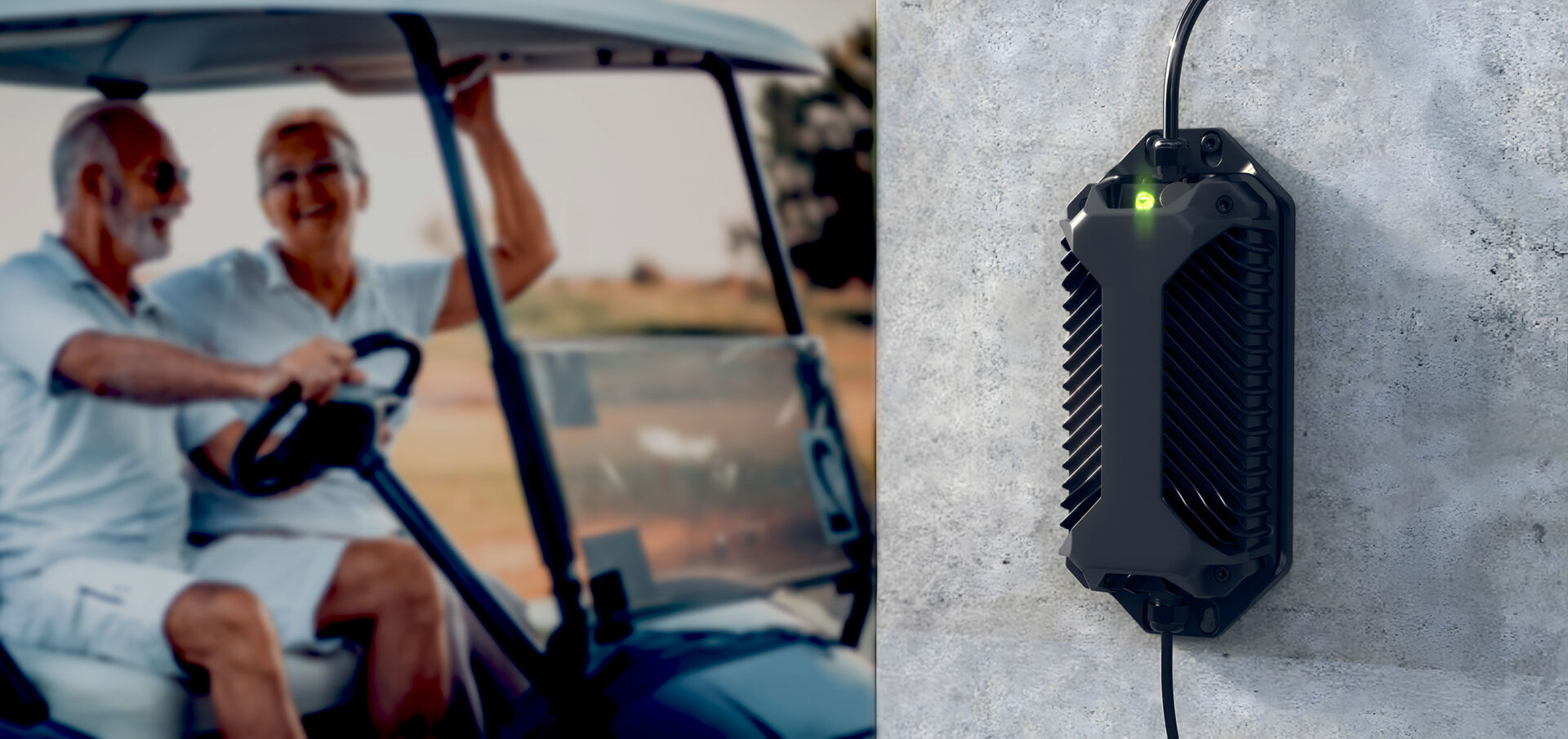
In the field of charger technology, FRlWO offers an extensive range of lead acid, nickel cadmium, nickel metal hydride, and lithium ion chargers. These chargers are used in various areas, e.g. in medical applications for stationary or portable medical devices, electrical wheelchairs, bicycles in the mobility sector, remote-controlled vehicles in the toy area, and portable devices, such as mobile telephones and laptop computers.
Lead Acid Chargers:
Lead acid cells are still very important today. Their power density cannot compete with NiCd, NiMH, or even lithium cells, but in regard to price/performance ratio, these cell types are always first choice.
In the area of large-scale charging technology, lead acid cells are still preferred for reasons of cost. A modern charger must be able to recognise various situations and react accordingly. It must recognise an optimum, fully charged state, activate or reactivate a cell that has been stored for a long time or a new cell, detect a fault, or just charge as quickly as possible without exceeding the parameters of the cell. Some chargers are equipped with an electronic protective mechanism that makes it possible for the charger to survive a reversal of the batteries without damage. This is only necessary, however, if the connecting lines are not permanently wired or not using polarised connectors.
Like any technical device, chargers, too, are not secure against breakdowns. For this reason, general protective mechanisms have been provided that intervene in case of control system failures. This is also a performance feature of good chargers.
To be able to fulfil these requirements, FRlWO concentrates its efforts on the further development of switchmode chargers that are attractive for the end customer due to their light and compact design and high power outputs.
NiCd/NiMH Chargers:
If devices with a high power consumption, such as cordless screwdrivers, photo flashes, etc. are to be supplied, nickel cadmium batteries are the first choice because they have a very low inner resistance and thus supply higher currents with low voltage drops. Nickel metal hydride cells essentially have a very similar design, with the exception of the replacement of cad-mium with the more environmentally friendly metal hydride. A welcome side effect is that the self-discharge is considerably lower and the capacity is higher within the same volume. Due to the higher inner resistance, NiMH batteries are predestined for use in devices with average power consumption, such as toy applications, torches, etc..
To prevent an overcharging of the battery, these chargers have a minus-delta-U cutout and recognition of temperature gradients (static or dynamic), maximum temperature, and time.
Li-Ion Chargers:
Due to the very high power density of lithium ion cells (approx. 120 to 170 Wh/kg) and the resulting low weight, this battery and the required charger are being used more and more often in high-priced devices, such as laptop computers and mobile telephones. The currently higher price of this technology becomes relative in comparison with other batteries due to the higher number of cycles (500 to 1000), the very low self-discharging (5% to 10%/month at 20° C), the high source voltage (3.6V/cell), and the non-existent memory effect.
To be able to utilize the advantages of this type of battery for a long time and to neutralise the high acquisition price, a higher technical charging effort is required since this type of battery does not have an overcharging or excessive discharging tolerance. This necessary technical charging effort is realised by the Li-Ion chargers of FRlWO using a charging and discharging monitoring circuit. |
|
|
|
|
|
|
|